Your Best Content Already Exists. Most Businesses Just Can't See It.
Your Best Content Already Exists. Most Businesses Just Can't See It.
MKLC was my first ever Squarespace client.
Years later, they're still a client — and the work we do together looks nothing like it did at the start. We've worked through website builds, content creation, e-commerce, UX improvements, and SEO. The latest redesign at the end of last year has already resulted in more corporate contracts.
That kind of relationship doesn't happen by accident. It happens when trust goes both ways — when a client lets you look beyond the brief, and when you're genuinely invested in what they're trying to achieve.
This is a story about what that looks like in practice.
The problem nobody was talking about
MKLC is a registered training organisation. Over the years, their students had produced a collection of action research projects — real, valuable work covering classroom dynamics, student engagement, and innovative teaching methods. Insights that working educators could genuinely use.
The papers were published on the website as PDFs.
Nobody was reading them.
Website analytics told the story clearly. The content existed. The audience who needed it existed. But the format wasn't connecting the two. And there was added urgency — qualification changes meant students would no longer complete these projects as part of their training. This was the final collection. If it stayed as PDFs, it would quietly disappear.
The solution — and why it worked
When MKLC brought this to me, I didn't think "we need a better PDF page." I thought about who the audience was, how they consume content, and what format would actually reach them.
Educators are busy. They're not sitting at a desk reading research papers for pleasure. But they do listen to podcasts — on the commute, between classes, during preparation time.
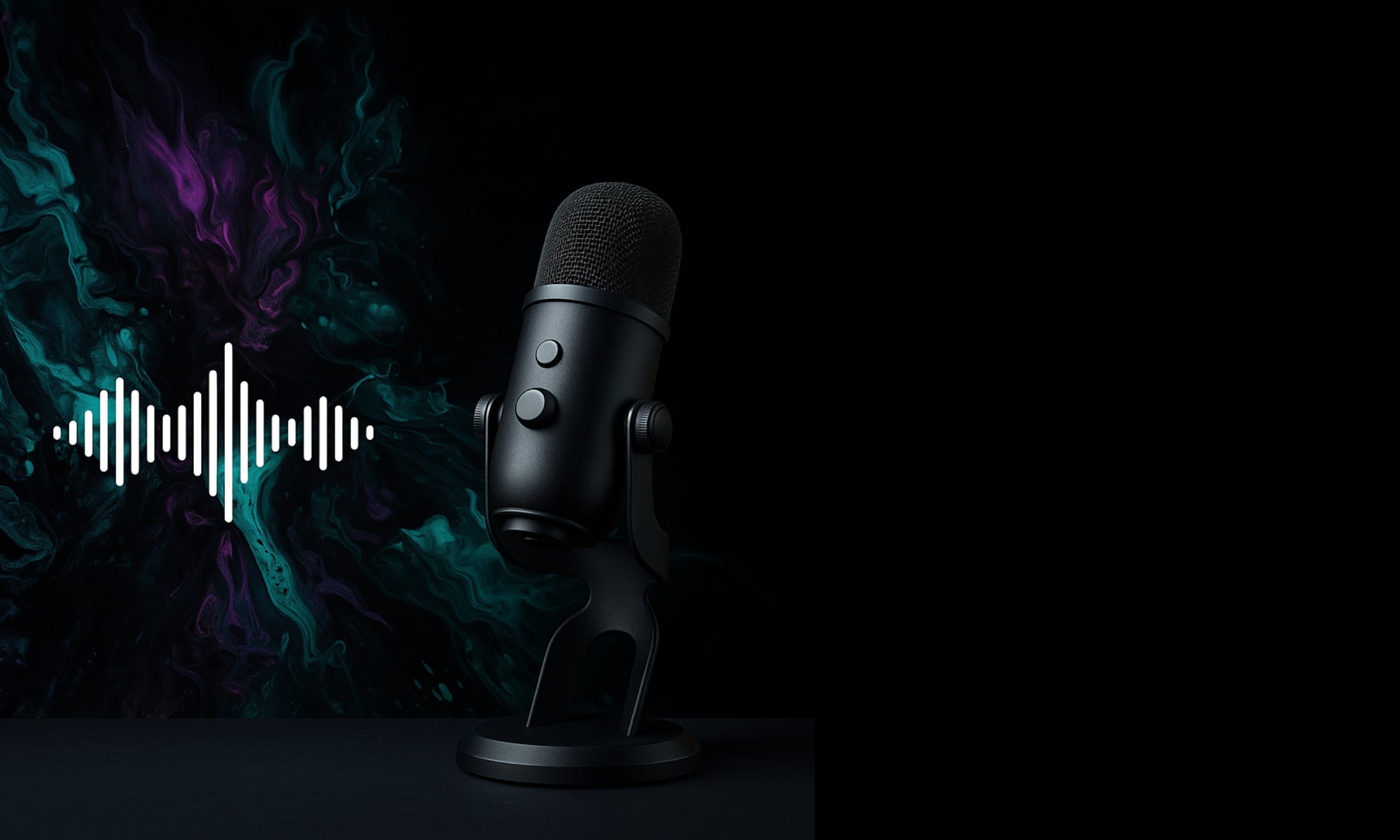
So we turned each action research paper into a 15–20 minute conversational podcast episode, complete with professional graphics, full transcripts, and a weekly Wednesday release schedule. Using Google's NotebookLM — a free AI tool — production costs were kept minimal. The real investment was time and creative thinking, not budget.
The results were immediate. Newsletter metrics and website analytics showed subscribers clicking through to listen. But the response that meant the most came from the students themselves.
The MKLC principal contacted each student author individually the month before their episode went live. What came back was genuine excitement — not just because their work was online, but because someone was actively promoting it, sharing it, telling the world it mattered.
Their academic work was suddenly reaching real educators who could apply these insights in their own classrooms. That's not a PDF on a page. That's impact.


Listen to Episode 6:
“Thank you so much for sharing this wonderful news. I’m truly honoured that my action research project will be published as a podcast — it means a lot to me. I’m looking forward to listening to it on the 23rd and sharing it with others who may find it helpful or inspiring. I really appreciate all the support I received during my time at MKLC.”
It's not always a podcast.
The MKLC story is a dramatic example. But the same principle shows up on almost every website I work on — just in quieter, more everyday ways.
Sometimes it's an About page that talks about the founder's journey but buries the thing that would make a potential client choose you — a major industry award, fifteen years of specialist experience, a client list that would turn heads — three scrolls down where nobody sees it.
Sometimes it's a business achievement sitting in a blog post from three years ago that never made it onto the homepage. I've found client gold in places like that more times than I can count — and the first question I always ask is why isn't this front and centre?
Sometimes it's a service you've been delivering for years that doesn't have its own page, so Google doesn't know it exists and neither do your website visitors.
The content exists. It's just not where your visitors can see it.
What this actually means for your business
I'm a Squarespace web designer. That's the foundation of what I do.
But the most useful thing I can offer a client isn't always a new page or a better layout. Sometimes it's stepping back and asking — what are you actually trying to achieve, and is what you're currently doing getting you there?
With MKLC, I've learned over time what they want to achieve and look for solutions that fit that goal. The podcast series came from that — not from a brief that said "make us a podcast," but from a conversation about content that wasn't working and an audience that wasn't being reached.
That's what a strategic digital partnership looks like. Not just delivering what's asked for, but understanding the business well enough to see what else is possible.
That usually means I start with what's already there — not with what needs to be built. And more often than not, the most valuable thing I find is something the business has been sitting on for years without realising it.
If you're wondering whether your website is actually working as hard as it could be — or whether there's something valuable hiding in plain sight — that's worth a conversation.
Book a free discovery call and let's look at what you've already got. You might be surprised.